
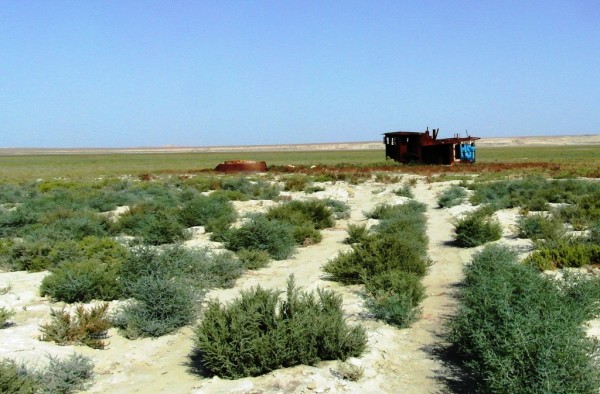
It didn’t hit me at first.
As I rode down a bumpy, sandy road through the Kazakhstan steppe, I didn’t really realize where I was.
I was riding over land that was once covered with water.
I was heading toward what is known as the “ship cemetery” – the rusty remains of three ships that used to sail the sea that is no more. But during the hour it took to reach the lonely boats, it never occurred to me that I was crossing what used to be the Aral Sea.
Yes, I know – duh.
As I got out of the car to take a closer look at the abandoned ships, I kept thinking it should be cloudy. It seemed too sunny, too bright, too happy. I had pictured the Aral Sea in black and white: dark, gloomy, hopeless. Instead, I roamed around shells of boats covered with maritime-themed caricatures and surrounded by grazing cows, all under bright blue skies.
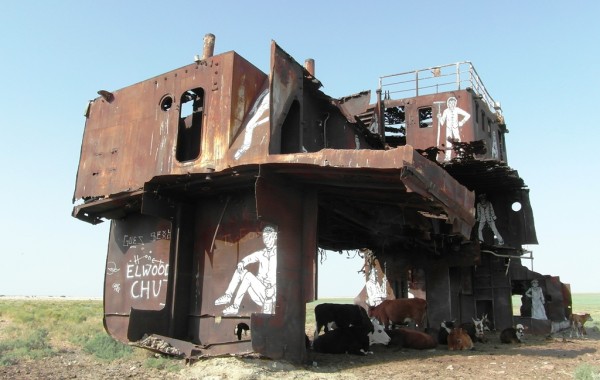
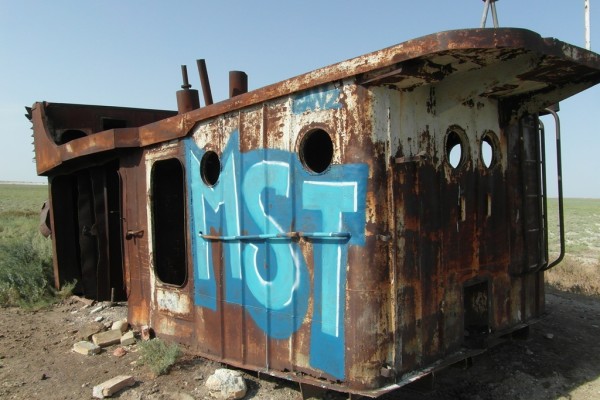
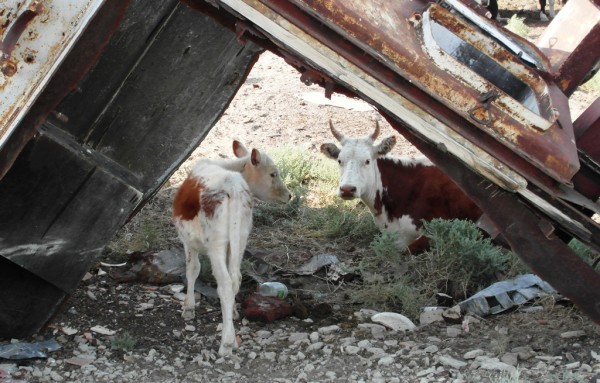
The Aral Sea was once one of the four largest lakes in the world, covering a whopping 68,000 square kilometers (26,300 square miles). But then the Soviets came along in the 1960s and started a massive irrigation project to grow cotton that diverted the rivers that ran into the lake. As a result, the Aral Sea began to shrink.
And shrink.
And shrink.
By 2007 – some forty years after the Soviet interference began – the Aral Sea covered only 10% of the area it once did.
Ten percent.
It shouldn’t surprise you that the near-disappearance of the Aral Sea has been called one of the world’s worst environmental disasters. The area’s once-booming fishing industry was destroyed. Pollution has caused health problems and climate change has resulted in hotter and drier summers and colder, longer winters. The population of Aralsk, the city that once stood on the shores of the sea, dipped dramatically. Among those who have remained, unemployment levels are high.
Just 100 meters from my homestay in Aralsk, I saw the former port, cranes still standing tall over an empty basin, now nothing bus grass, rocks, and a few large puddles.
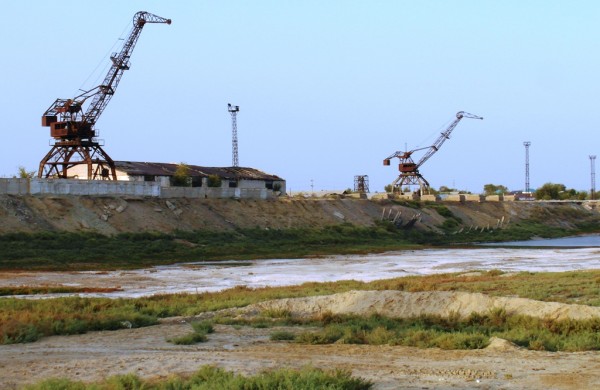
To its credit, Kazakhstan has been working to reverse the damage to the north Aral Sea (the south Aral Sea lies in Uzbekistan). In 2005, they completed a dam project that resulted in water levels rising by about 12 meters (40 feet) by 2008. The shoreline, which had once receded to over 60 kilometers from the city of Aralsk, now is just 16 kilometers away.
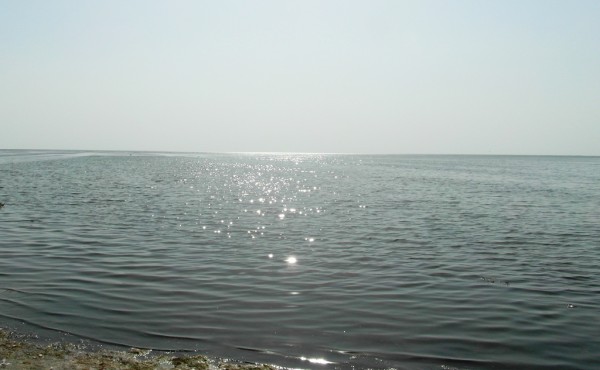
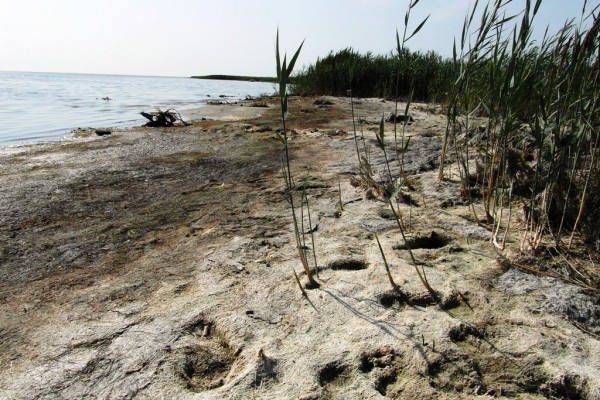
A small amount of fishing has resumed, but not enough to bring people or jobs back to Aralsk. And some say that the climate is improving and health issues decreasing. But considering the entire lake once covered 68,000 square kilometers and the newly replenished north Aral Sea covers just 3,300 square kilometers, there is clearly a very, very long way to go.
